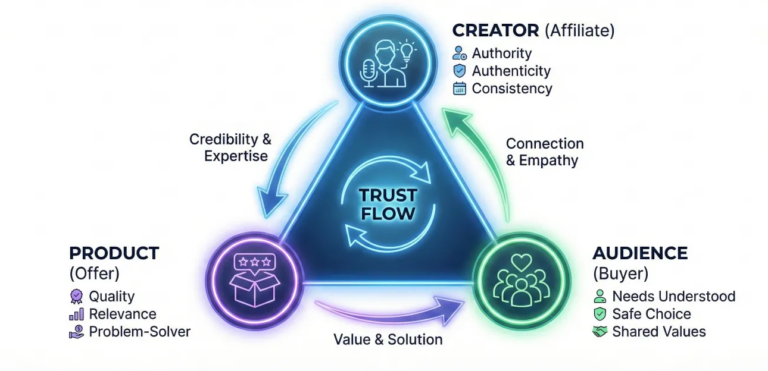
Affiliate marketing has become one of the most powerful ways to generate income online. While many beginners are drawn to the idea of passive income, the reality is that success requires strategy, persistence, and a deep understanding of the audience. One of the best ways to learn what works is by studying real-world examples.
In this article, we’ll explore affiliate marketing case studies and real success stories that reveal proven strategies, practical insights, and actionable lessons. Whether you’re just starting out or looking to scale your affiliate business, these stories will inspire and guide you.
What Makes Affiliate Marketing Successful?
Before diving into the case studies, it’s important to understand the key elements that contribute to success:
- Trust and credibility
- High-quality content
- Targeted traffic
- Effective product selection
- Consistent optimization
Every successful affiliate marketer leverages these factors in different ways. Let’s explore how.
Case Study 1: The Niche Blog That Generated Passive Income
Overview
A beginner affiliate marketer launched a niche blog focused on home coffee brewing. Instead of covering all types of coffee-related topics, the blog targeted a specific audience: people who wanted to make café-quality coffee at home.
Strategy Used
- Focused on long-tail keywords like “best espresso machine for beginners”
- Created in-depth product reviews and comparison guides
- Used SEO to drive organic traffic
- Added affiliate links naturally within the content
Results
- Reached 50,000 monthly visitors within one year
- Generated consistent commissions from product recommendations
- Built authority in a highly specific niche
Key Takeaways
- Narrow niches can lead to higher conversions
- SEO-driven content builds long-term traffic
- Detailed reviews outperform generic content
Case Study 2: YouTube Affiliate Marketing Success
Overview
A content creator started a YouTube channel reviewing tech gadgets such as smartphones, laptops, and accessories.
Strategy Used
- Created honest and unbiased video reviews
- Included affiliate links in video descriptions
- Focused on trending and high-demand products
- Engaged with viewers through comments
Results
- Videos ranked on YouTube search results
- Earned commissions from Amazon affiliate links
- Built a loyal subscriber base
Key Takeaways
- Video content builds stronger trust than text alone
- Consistency in uploading improves visibility
- Authenticity increases audience loyalty
Case Study 3: The Email Marketing Funnel Approach
Overview
An affiliate marketer built an email list in the personal finance niche and promoted financial tools and services.
Strategy Used
- Offered a free budgeting template as a lead magnet
- Built an automated email sequence
- Provided educational content before promoting products
- Recommended tools with clear benefits
Results
- High conversion rates from email campaigns
- Increased lifetime value of subscribers
- Established authority in the finance niche
Key Takeaways
- Email marketing is highly effective for affiliate sales
- Educating the audience builds trust
- Automated funnels save time and increase revenue
Case Study 4: Authority Website in Health and Fitness
Overview
A health and fitness blog focused on weight loss, workout routines, and nutrition tips.
Strategy Used
- Published long-form, research-backed articles
- Collaborated with fitness experts
- Used internal linking for SEO optimization
- Promoted supplements and fitness programs
Results
- Ranked on Google’s first page for competitive keywords
- Generated thousands of monthly affiliate commissions
- Became a trusted resource in the niche
Key Takeaways
- Authority content attracts high-quality traffic
- Expertise and credibility are crucial in sensitive niches
- SEO remains a powerful long-term strategy
Case Study 5: Social Media Influencer Affiliate Strategy
Overview
An Instagram influencer in the beauty niche promoted skincare and makeup products.
Strategy Used
- Shared real-life product experiences
- Used Instagram Stories and Reels for engagement
- Included affiliate links via bio and swipe-up features
- Leveraged user-generated content
Results
- High engagement rates
- Strong conversion from followers
- Partnerships with brands
Key Takeaways
- Social proof drives purchasing decisions
- Visual platforms are ideal for product promotion
- Consistency builds trust and influence
Case Study 6: Coupon and Deal Website Model
Overview
A website focused on sharing discount codes and deals for popular online stores.
Strategy Used
- Targeted high-volume keywords like “discount codes” and “best deals”
- Partnered with affiliate networks
- Updated deals regularly
- Used email alerts for subscribers
Results
- Massive traffic spikes during sales events
- High conversion rates due to urgency
- Strong revenue during peak seasons
Key Takeaways
- Timing and relevance are critical
- Deal-based content attracts motivated buyers
- Regular updates keep users coming back
Case Study 7: Blogging + Pinterest Traffic Strategy
Overview
A lifestyle blogger used Pinterest to drive traffic to affiliate blog posts.
Strategy Used
- Created visually appealing pins
- Linked pins to blog content with affiliate links
- Focused on evergreen topics
- Used keyword-rich descriptions
Results
- Viral pins driving thousands of clicks
- Consistent traffic without heavy SEO reliance
- Increased affiliate earnings
Key Takeaways
- Pinterest is a powerful traffic source
- Visual content increases click-through rates
- Evergreen content ensures long-term results
Case Study 8: Micro-Niche Website Domination
Overview
A marketer created a micro-niche website focused on a single product category: ergonomic office chairs.
Strategy Used
- Reviewed only ergonomic chairs
- Compared features, pricing, and benefits
- Targeted low-competition keywords
- Built backlinks through guest posts
Results
- Dominated search rankings for niche keywords
- High conversion rates due to targeted audience
- Stable passive income
Key Takeaways
- Micro-niches reduce competition
- Specialized content builds authority quickly
- High intent traffic converts better
Case Study 9: SaaS Affiliate Marketing Success
Overview
A marketer promoted software tools such as website builders, email marketing platforms, and SEO tools.
Strategy Used
- Created tutorials and how-to guides
- Demonstrated product usage
- Compared multiple tools
- Targeted business owners and entrepreneurs
Results
- Recurring commissions from subscriptions
- High-value conversions
- Long-term revenue growth
Key Takeaways
- SaaS products offer recurring income
- Tutorials increase user confidence
- Targeting professionals increases earnings
Case Study 10: Review Website with Comparison Tables
Overview
A review website focused on comparing products across different categories.
Strategy Used
- Used comparison tables for easy decision-making
- Highlighted pros and cons
- Included call-to-action buttons
- Optimized for SEO
Results
- Improved user experience
- Higher click-through rates
- Increased affiliate conversions
Key Takeaways
- Simplicity improves conversions
- Comparison content helps decision-making
- Clear structure enhances readability
Common Patterns Across All Success Stories
After analyzing these case studies, several common themes emerge:
1. Focus on Value First
Successful affiliates prioritize helping their audience rather than just selling products.
2. Build Trust Over Time
Trust is the foundation of every successful affiliate business.
3. Choose the Right Traffic Source
Different strategies work for different platforms—SEO, YouTube, email, and social media all have unique advantages.
4. Consistency Is Key
Regular content creation and engagement lead to long-term success.
5. Adapt and Optimize
Top affiliates continuously test and improve their strategies.
How You Can Apply These Lessons
Here’s a step-by-step approach to implement what you’ve learned:
Step 1: Pick a Profitable Niche
Choose a niche with demand, competition, and monetization opportunities.
Step 2: Create High-Quality Content
Focus on solving problems and providing real value.
Step 3: Drive Targeted Traffic
Use SEO, social media, or paid ads to attract the right audience.
Step 4: Build Trust
Be transparent, honest, and consistent.
Step 5: Optimize for Conversions
Use clear calls-to-action, comparison tables, and engaging content.
Mistakes to Avoid in Affiliate Marketing
Even with great examples, it’s important to avoid common pitfalls:
- Promoting low-quality products
- Overloading content with affiliate links
- Ignoring audience needs
- Lack of consistency
- Not tracking performance
Avoiding these mistakes can significantly improve your chances of success.
The Future of Affiliate Marketing
Affiliate marketing continues to evolve with technology and consumer behavior.
Emerging Trends
- AI-driven content creation
- Influencer partnerships
- Video-first strategies
- Voice search optimization
Staying ahead of these trends will help you maintain a competitive edge.
Conclusion
Affiliate marketing success is not based on luck—it’s built on proven strategies, consistent effort, and a deep understanding of your audience. The case studies shared in this article demonstrate that there are multiple paths to success, whether through blogging, video content, email marketing, or social media.
By applying the lessons from these real success stories, you can create a sustainable and profitable affiliate marketing business. Focus on delivering value, building trust, and continuously improving your approach.
Remember, every successful affiliate marketer started as a beginner. With the right strategy and mindset, you can achieve the same level of success.