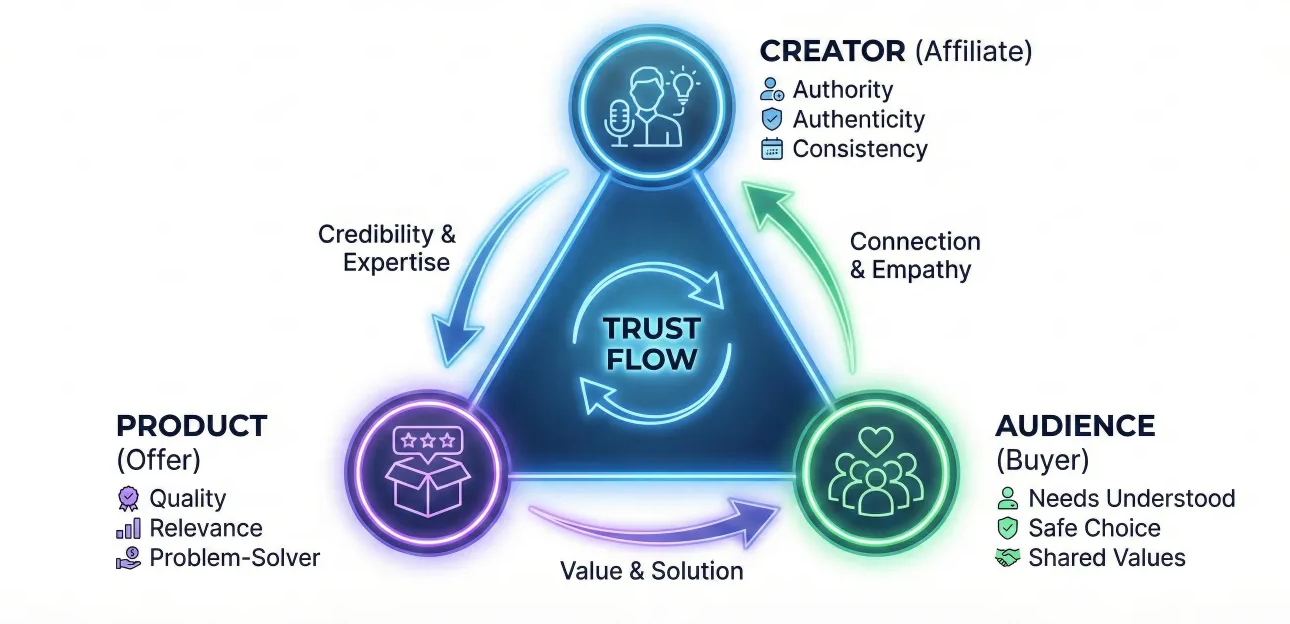
In the ever-evolving world of digital business, affiliate marketing remains one of the most accessible and scalable ways to generate income online. However, success in this space is no longer just about promoting products and earning commissions. Today, the real differentiator lies in trust and authority.
Consumers are more informed than ever. They research, compare, and evaluate before making purchasing decisions. If your audience doesn’t trust you, they won’t click your links—let alone buy through them. That’s why building credibility is not optional; it’s essential.
In this comprehensive guide, you’ll learn how to build trust and authority in affiliate marketing from the ground up, ensuring long-term success and sustainable income.
1. Understand Your Audience Deeply
Before you can build trust, you must understand who you’re trying to serve.
Why It Matters
Trust begins when your audience feels understood. If your content speaks directly to their needs, challenges, and desires, they are more likely to engage with you.
How to Do It
- Identify your target audience (age, interests, problems)
- Join forums, social media groups, and communities
- Read comments and reviews related to your niche
- Conduct surveys or polls
Example
If you’re promoting fitness products, your audience might include beginners looking to lose weight or athletes aiming to improve performance. Each group requires a different tone, message, and product recommendation.
2. Choose the Right Niche
Authority is easier to build when you focus on a specific niche rather than trying to cover everything.
Benefits of Niche Focus
- Easier to establish expertise
- More targeted audience
- Higher conversion rates
- Less competition compared to broad markets
Tips for Selecting a Niche
- Choose something you are passionate about
- Ensure there is demand (people are actively searching)
- Verify monetization opportunities (affiliate programs available)
3. Promote Only Quality Products
Nothing destroys trust faster than promoting low-quality or misleading products.
Golden Rule
If you wouldn’t use it yourself, don’t promote it.
How to Ensure Quality
- Test products before recommending
- Read user reviews and feedback
- Research the brand’s reputation
- Avoid “too good to be true” offers
Long-Term Impact
Promoting quality products builds a positive reputation. Over time, your audience will rely on your recommendations without hesitation.
4. Be Transparent and Honest
Transparency is one of the strongest pillars of trust.
What Transparency Looks Like
- Clearly disclose affiliate links
- Share both pros and cons of products
- Avoid exaggerated claims
- Admit when something isn’t perfect
Example Disclosure
“I may earn a commission if you purchase through my link, at no extra cost to you.”
Why It Works
Honesty humanizes your brand. People appreciate authenticity more than perfection.
5. Create High-Value Content Consistently
Content is the backbone of affiliate marketing. But not just any content—valuable, helpful, and relevant content.
Types of High-Value Content
- In-depth product reviews
- Comparison articles
- Tutorials and guides
- Case studies
- Problem-solving blog posts
Content Strategy Tips
- Focus on solving real problems
- Use clear and simple language
- Include visuals (images, videos, infographics)
- Update content regularly
SEO Importance
Optimized content helps you rank on search engines, bringing consistent organic traffic and increasing your authority.
6. Build a Personal Brand
People trust people, not faceless websites.
What Is a Personal Brand?
Your personal brand is how people perceive you—your voice, personality, values, and expertise.
Ways to Build It
- Share your story and experiences
- Use a consistent tone and style
- Show your face (photos/videos)
- Engage with your audience
Benefits
- Stronger emotional connection
- Increased credibility
- Higher loyalty and repeat visitors
7. Use Social Proof
Social proof is a powerful psychological factor that influences decisions.
Types of Social Proof
- Testimonials
- User reviews
- Case studies
- Success stories
- Social media engagement
How to Leverage It
- Showcase real results
- Include screenshots or data
- Highlight customer experiences
Example
“If 1,000+ people have benefited from this product, it must be worth considering.”
8. Build an Email List
An email list is one of the most valuable assets in affiliate marketing.
Why Email Matters
- Direct communication with your audience
- Higher conversion rates
- Full control over your traffic
How to Grow Your List
- Offer lead magnets (eBooks, checklists, templates)
- Use opt-in forms on your website
- Provide exclusive content
Trust Factor
Email allows you to build a deeper relationship over time, increasing trust and authority.
9. Stay Consistent and Reliable
Consistency builds familiarity, and familiarity builds trust.
What Consistency Means
- Posting content regularly
- Maintaining quality standards
- Being present on your platforms
Results Over Time
Consistency signals professionalism and commitment, making your audience more confident in your expertise.
10. Educate Before You Sell
One of the biggest mistakes beginners make is focusing too much on selling.
Shift Your Approach
Instead of pushing products, focus on educating your audience.
Example
Instead of:
“Buy this product now!”
Try:
“Here’s how this product can solve your problem and why it works.”
Outcome
When people understand the value, they are more likely to make informed decisions—and trust you in the process.
11. Engage With Your Audience
Engagement builds relationships, and relationships build trust.
Ways to Engage
- Respond to comments and messages
- Ask questions in your content
- Create polls and discussions
- Host live sessions or webinars
Impact
Active engagement shows that you care, making your audience more loyal and receptive to your recommendations.
12. Avoid Over-Promotion
Too many affiliate links can make your content feel spammy.
Best Practice
Follow the 80/20 rule:
- 80% value-driven content
- 20% promotional content
Why It Matters
Over-promotion reduces credibility and can drive your audience away.
13. Optimize Your Website for Trust
Your website is often the first impression of your brand.
Key Elements of a Trustworthy Website
- Clean and professional design
- Fast loading speed
- Mobile responsiveness
- Clear navigation
- About and Contact pages
Trust Signals
- SSL certificate (HTTPS)
- Privacy policy and terms
- Author bio with credentials
14. Showcase Your Expertise
Authority comes from demonstrating knowledge and competence.
How to Do It
- Write detailed and informative content
- Share insights and analysis
- Use data and research to support claims
- Stay updated with industry trends
Bonus Tip
Guest posting on reputable websites can also boost your authority.
15. Be Patient and Think Long-Term
Building trust and authority doesn’t happen overnight.
Reality Check
Affiliate marketing is not a “get rich quick” scheme.
Long-Term Strategy
- Focus on relationships, not just sales
- Continuously improve your content
- Adapt to changes in the market
Result
Sustainable income and a loyal audience that trusts your recommendations.
16. Leverage Multiple Platforms
Don’t rely on just one traffic source.
Platforms to Consider
- Blog/website
- YouTube
- Social media (Instagram, TikTok, Facebook)
- Email marketing
Benefits
- Wider reach
- Increased visibility
- Stronger brand presence
17. Track and Improve Performance
Data helps you understand what works and what doesn’t.
Key Metrics
- Click-through rate (CTR)
- Conversion rate
- Bounce rate
- Time on page
Tools to Use
- Google Analytics
- Affiliate dashboards
- SEO tools
Continuous Improvement
Use insights to refine your strategy and deliver better results.
18. Avoid Black Hat Techniques
Shortcuts can damage your reputation permanently.
Practices to Avoid
- Fake reviews
- Clickbait headlines
- Misleading information
- Spammy backlinks
Why It’s Dangerous
These tactics may bring short-term gains but will destroy trust in the long run.
19. Collaborate With Other Influencers
Collaboration can boost your credibility and exposure.
Ideas for Collaboration
- Guest blogging
- Joint webinars
- Social media partnerships
- Podcast interviews
Benefit
Association with trusted figures enhances your authority.
20. Continuously Learn and Adapt
The digital landscape is constantly changing.
Stay Updated By
- Following industry blogs
- Taking online courses
- Attending webinars and events
Growth Mindset
Always be willing to learn, experiment, and improve.
Conclusion
Building trust and authority in affiliate marketing is not just a strategy—it’s a commitment. It requires honesty, consistency, and a genuine desire to help your audience.
By focusing on value, transparency, and long-term relationships, you can position yourself as a reliable source of information and recommendations. Over time, this trust will translate into higher conversions, loyal followers, and sustainable income.
Remember, in affiliate marketing, trust is your most valuable asset. Protect it, nurture it, and let it guide every decision you make.